40 Weeks Pregnant? Here’s What No One Tells You (But You Need to Know!)
by Stephanie Poole, Doula & Lactation Consultant
You made it to 40 weeks pregnant.
The finish line.
The grand finale.
The “everyone keeps texting me asking where the baby is” stage.
So if you’re wondering why you’re still pregnant…
Here’s the truth your provider may not have mentioned:
Your Baby Is NOT Late
Only 4 to 5% of babies are born on their due date.
Because guess what?
Due dates are a prediction, not a promise.
A normal full-term birth can be anywhere from 40+5 to 41+3 for first-time moms.
You are exactly where you should be.
The Secret Work Happening Inside Your Body
Even without contractions, things are happening:
• Baby’s brain + lungs finishing key development
• Cervix softening and thinning
• Hormones prepping your milk supply
• Baby positioning for birth
Your body is working overtime… quietly.
Signs Labor Is Close (Even If It Isn’t Obvious)
• Lightning crotch
• More discharge
• Bathroom marathons
• Period-like cramps
• Lower back pressure
• Sudden ...
37 Weeks Pregnant: What to Expect, Symptoms, and How to Get Ready
You’ve officially made it to 37 weeks pregnant! First of all, congratulations, mama—you’re in the home stretch! But let’s be real… this week can feel both exciting and utterly exhausting. Everyone’s probably asking, “Is the baby here yet?” And while people love to say, “Baby could come any day now,” there’s actually a lot happening with your body and your baby that no one really talks about.
This guide will break down:
-
What’s happening with your baby at 37 weeks
-
Common and surprising pregnancy symptoms
-
How to tell real labor from false labor
-
Practical tips for the next few weeks
-
How to prep for birth and breastfeeding
By the end, you’ll feel more confident and prepared for this final stage of pregnancy.
Is 37 Weeks Considered Full Term?
At 37 weeks, you’re considered early term, not “full term” yet. Full term is actually 39–40 weeks.
Why does this matter? Babies born at 37 weeks often do well, but research shows they may be more likely to:
...
Hi! I'm Stephanie!
Stephanie Poole
Creator, Bump To Bundle Blueprint®
Most women struggle with preparing for birth. So, I created an academy that helps new moms prepare for their FIRST hospital birth. Birth Prep Academy helps Mamas (like you) transition into motherhood...Like A Boss!
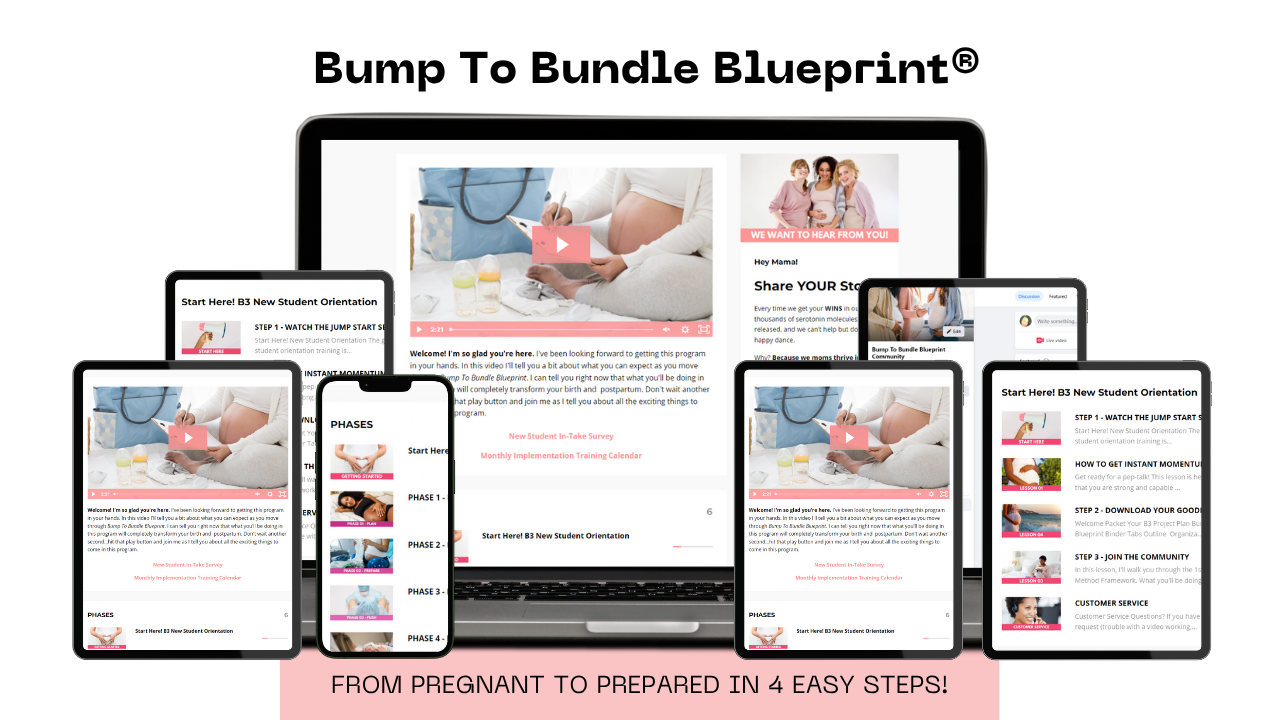
Bump To Bundle Blueprint®
If you think you need help preparing for your birth...you do! Prepare for your first birth faster than you can say:

